Look, here's the thing: if you’re a UK punter thinking about trying an offshore site, you want to avoid looking daft and losing your hard-earned quid. This short primer gives straight-up, practical checks you can use when weighing any site, with examples in GBP and plain language so a mate could follow it. Next, I’ll explain the fundamental trade-offs you need to accept when using offshore casinos in the UK.
Why UK Players Should Be Cautious with Offshore Casinos
Honestly, offshore sites often look shiny — big bonuses, thousands of games, and a sportsbook stitched in — but they don’t come with UKGC protection or the same dispute routes you get with licensed British brands; that matters because regulation affects deposits, withdrawals and player safety. This raises the obvious question: what protections do you actually lose by choosing an offshore operator, and what should you check first?
Essential Checks for UK Players Before Depositing
Start with five quick checks: licensing (look for UKGC if you want maximum protection), payment options, visible RTP or provider audits, straightforward contact/support, and clear KYC/withdrawal rules. If any one of those is missing or fuzzy, treat the site as high risk. After that, we’ll drill into payments and limits because those are the bits that bite punters most often.
Payments and Cash Handling for UK Players — what to look for in the UK
UK-friendly payment methods are a strong signal that a site at least thinks about British customers; top methods include Faster Payments / PayByBank (Open Banking), debit cards (Visa/Mastercard), PayPal and Apple Pay, plus prepaid vouchers like Paysafecard for low-risk deposits. Make sure minimum deposits and withdrawal caps are sensible — for example, minimums of £10-£20 and not tiny daily withdrawal ceilings of only a few hundred quid, which make cashing out a chore. Next, I’ll show a quick comparison table of typical options and what they mean in practice.
| Method (UK) | Typical Min. Deposit | Typical Withdrawal Time | Notes for UK punters |
|---|---|---|---|
| Debit Card (Visa/Mastercard) | £10 | 3–5 business days | Widely accepted; credit cards banned for gambling; watch FX if processor settles in EUR |
| PayPal / E-wallets | £10 | Instant–24 hours | Fast and familiar for Brits; sometimes excluded from bonuses |
| Faster Payments / PayByBank (Open Banking) | £10 | Usually same-day | Good for small/fast transfers; strong UK footprint |
| Paysafecard | £10 | N/A (no withdrawals) | Prepaid deposit only — useful if you’re skint and want fixed spend |
| Cryptocurrency (offshore) | £10 equivalent | 24–48 hours after processing | Used by some offshore sites; volatile and reversible only by exchange rules |
How to Read a Bonus Offer as a UK Player
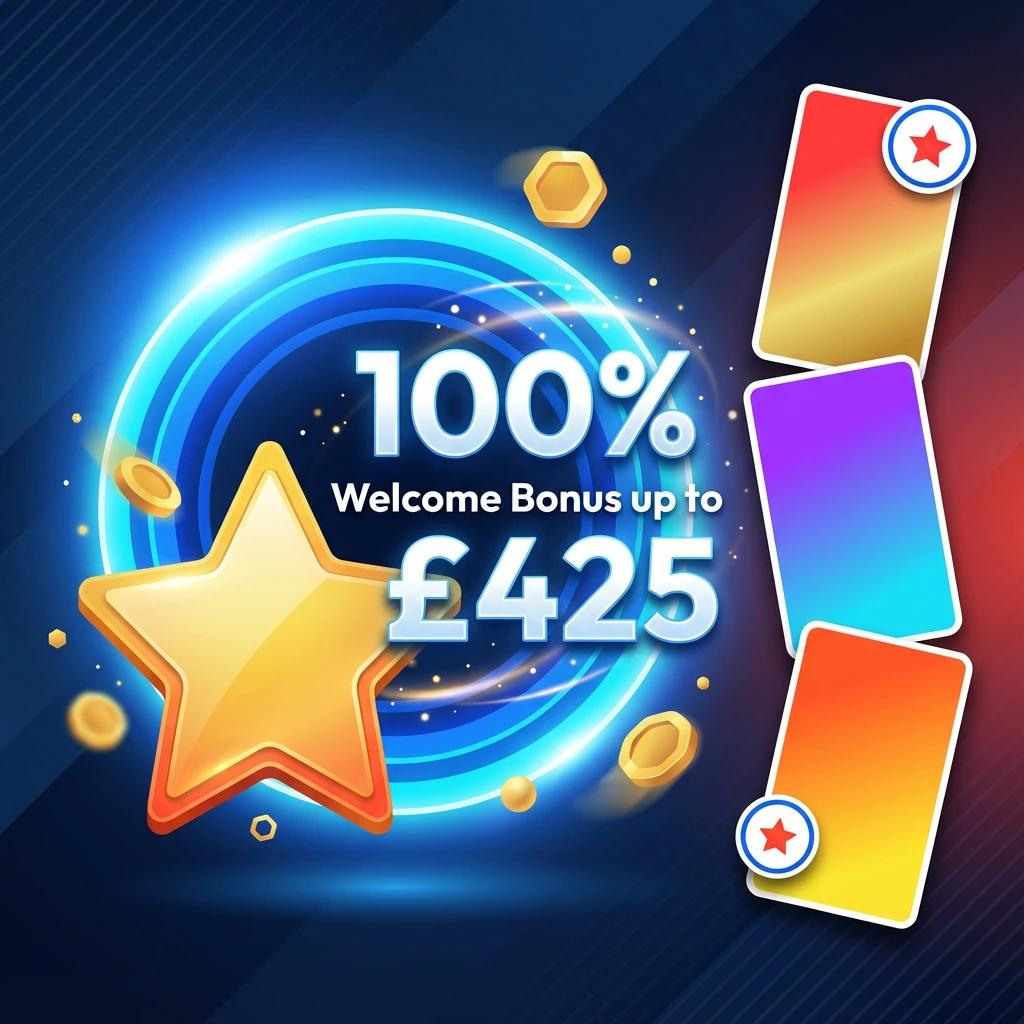
Not gonna sugarcoat it — big-sounding welcome packs often convert into very hard work. Example: 100% up to £425 + 200 spins with 35× wagering on (D+B) means a £100 deposit requires roughly £7,000 turnover to clear the bonus, which is usually negative EV once actual RTP and max-bet rules are applied. So before you click opt-in, check max bet with bonus (e.g., £4.25 per spin), which games are excluded, and the free-spins cashout cap. After that math, decide whether you want longer entertainment rather than chasing an unrealistic profit.
Game Choices UK Players Prefer (and why they matter in the UK)
British punters often search for fruit-machine style slots and familiar releases: Rainbow Riches, Starburst, Book of Dead, Big Bass Bonanza and Megaways hits like Bonanza. Live shows such as Crazy Time and Lightning Roulette are extremely popular too. If a site bundles 4,000+ titles but many run on lower RTP configurations (for instance 94% rather than 96%), you’ll get shorter sessions for the same stake — so always open a game’s info panel to confirm the stated RTP before staking larger sums. Next up, I’ll show a small hypothetical case to illustrate the impact of RTP differences on expected loss.
Mini Case: RTP and Real Cost of Play for a UK Player
Say you deposit £100 and play a slot at 96% RTP, betting £1 per spin for 100 spins: expected return ~£96 → expected loss £4. Swap to a 94% version and expected return ~£94 → expected loss £6. That’s a small difference per session, but over ten sessions you’re down another £20 on average — not huge for a fiver here and there, but meaningful if you’re wagering £50–£100 regularly. This demonstrates why RTP checks matter for regular UK punters, so let’s move on to common mistakes and how to avoid them.
Common Mistakes UK Players Make and How to Avoid Them
Here’s what I see most often: chasing losses after a bad run (tilt), betting too large with a bonus active and breaching max-bet rules, and ignoring KYC which then delays withdrawals. To avoid these, set deposit and loss limits before you log on, don’t increase your stake to “chase” a few quid, and upload clean ID and proof-of-address at registration rather than waiting for a withdrawal. The next section gives a quick checklist you can use right now.
Quick Checklist for UK Players Before You Sign Up
- Verify licensing: prefer UKGC for full UK protection; if offshore, expect weaker recourse.
- Check payments: is Faster Payments / PayByBank supported? Are PayPal or Apple Pay options available?
- Read bonus T&Cs: max bet, wagering multiple, excluded games, and free-spin caps.
- Confirm withdrawal caps and verification rules; estimate timeframes like 3–5 business days for bank transfers.
- Check RTP in each game’s help panel and stick to medium volatility for longer play.
Next I’ll cover how to treat gamification and VIP perks — they sound great but come with caveats.
Gamification and VIP Tiers: What UK Players Should Expect
Not gonna lie — tiers, ladders and little side-games (missions, Bonus Crab-style features) can be fun, but they nudge you to keep playing. Loyalty points often convert into “bonus bucks” with wagering attached, not cash. If you’re aiming to climb to Gold or Platinum you’ll probably need sustained wagering; weigh whether the perks are worth the extra spend and whether withdrawal limits at low VIP tiers (e.g., £400–£500/day) match your goals. After that warning, let’s look at customer support and disputes for UK punters.
Support, Complaints and What Happens if Things Go Wrong in the UK
Top-line: UKGC-licensed operators must provide clear complaints routes and ADR details; offshore sites usually rely on internal escalation or third-party watchdogs and have mixed track records on KYC and payouts. Keep every chat transcript, take screenshots of balances and transaction IDs, and if possible cash out in smaller chunks rather than waiting on one monster withdrawal. That’s practical and reduces stress if verification trips occur — which it often does on bigger wins.
Where to Play — a Practical Pointer for British Players
If you want a site that mixes casino and sports under one roof, you might find offerings that seem tailored to Brits — but remember: offshore operators are not overseen by the UK Gambling Commission. If you still explore such brands, do so with a small starter sum like £20–£50 to test deposits, a modest playthrough to see RTP reporting, and a test withdrawal of £50–£100 to check processing speed. If you prefer a single convenient place to start looking, an example platform that often appears in the market is tikitaka-united-kingdom, which advertises a combined sportsbook and casino product for British players and supports GBP in the cashier. After that pointer, I’ll give a short mini-FAQ that answers the most common UK questions.
Mini-FAQ for UK Players
Am I breaking the law by using an offshore casino from the UK?
Generally no — UK players aren’t prosecuted for using offshore sites, but those operators aren’t licensed by the UK Gambling Commission, meaning you lose regulator-backed protections and ADR options. Keep stakes small and be realistic about recourse if a dispute arises.
What documentation will I need to withdraw?
Standard KYC: clear passport or driving licence, a recent proof of address (utility bill/bank statement dated within 3 months), and proof of payment ownership (card photo or e-wallet screenshot). Upload these early to avoid payout delays.
Where can I get help if gambling becomes a problem?
For UK residents, call the National Gambling Helpline (GamCare) on 0808 8020 133 or visit BeGambleAware for support and tools; self-exclusion and deposit limits are vital tools — use them early if you sense trouble.
Next I’ll finish with a brief personal take and the practical bottom line for a Brit thinking about offshore play.
Final Take for UK Punters — straight and practical
Alright, so: betting on an offshore site can be entertaining — a flutter during the footy or a cheeky spin when you’ve got £20 burning a hole in your pocket — but don’t treat it like income. If you do try an offshore brand, start with small amounts (a tenner or a fiver), use trusted UK-friendly payment rails like Faster Payments or PayPal where possible, keep KYC documents ready, and set deposit/loss caps in your account. If you want a place to compare options, you could look into sites such as tikitaka-united-kingdom for combined sportsbook/casino functionality aimed at UK users, but always weigh offshore convenience against the loss of UKGC oversight before committing larger sums.
18+ only. Gambling should be treated as paid entertainment, not a way to make money. If gambling is causing harm, get help: National Gambling Helpline (GamCare) 0808 8020 133. Play responsibly and only with money you can afford to lose.
Sources
Industry guidance, commonly published bonus terms, UK Gambling Commission materials and public community feedback informed the practical checks above.
About the Author
I'm a UK-based reviewer with long experience testing casino and sportsbook products. This guide is practical, independent advice for British players and not an endorsement — (just my two cents from years of watching footy, playing slots and testing withdrawals).
כתיבת תגובה